
"Riefenstahl" Documentary Screened at Living Memory — in Partnership with the Goethe-Institut
On August 16, the Living Memory Exhibition Center hosted another screening as part of the film club within the public program SPACE OF RESEARCH. Attendees watched the documentary "Riefenstahl" by director Andres Veiel (Germany, 2024), which premiered at the 2024 Venice Film Festival.
The screening was held in partnership with the Goethe-Institut in Ukraine. Before the film, the audience heard remarks from Roza Tapanova, General Director of the Babyn Yar National Historical and Memorial Reserve; Jakob Racek, the new Director of the Goethe-Institut in Ukraine; and Oleksiy Radynski, program director of the film club.
"This film raises a question that hasn't lost its edge: how does an educated person become part of a criminal system, and what does that tell us about the nature of human blindness and complicity. It matters to me that tonight's screening is being held in partnership with the Goethe-Institut in Ukraine, and I'm sincerely grateful to our partners for supporting our film club program," said Tapanova.
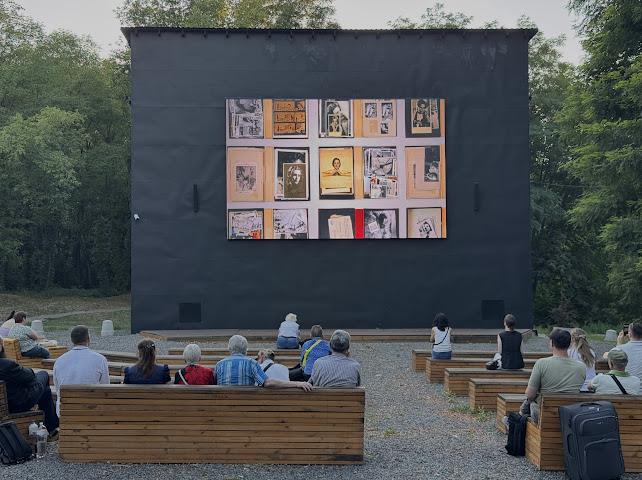
Jakob Racek shared a personal story about how, as an ordinary German, his own image of such a controversial figure as Leni Riefenstahl took shape over time. His first encounter with her came through a large photo album in his family home, which he saw as a child — though he noted there were several such encounters throughout his life since. "Before the war, she was an icon of avant-garde filmmaking. During the war — a propagandist and an accomplice to crimes. And after the war, she became known again through the photographs from her travels. What I appreciate about this film is that it doesn't try to flatten Leni into a single, coherent image — instead, it shows her in all her contradictions. The film invites you to draw your own conclusions about who she was," Racek said.
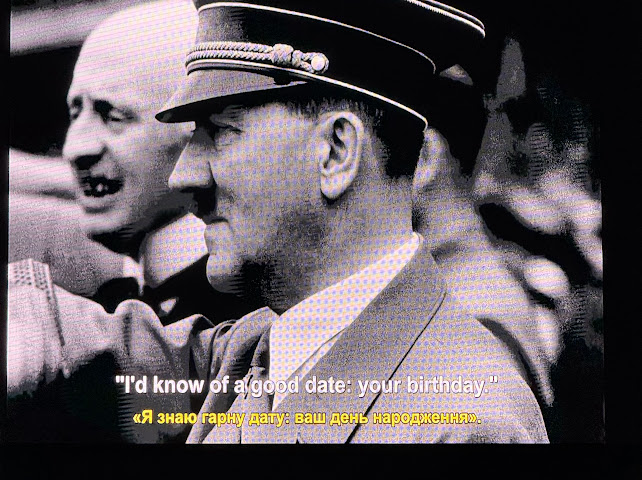
Screenwriter and documentary filmmaker Oleksiy Radynski added: "As the film club's program director, I want to stress why it matters to screen this film here and now: we often say the Holocaust began with words, that genocide begins with words. With hate speech. That's exactly what we, as a community, are living through in Ukraine during this war. Leni Riefenstahl's story feels especially relevant to me today, in the context of the international debate over whether propagandists are war criminals. Her case is an example of how complicity in a war crime — in propaganda, which is effectively complicity in genocide — went unpunished. And unpunished evil, as we know, always comes back."
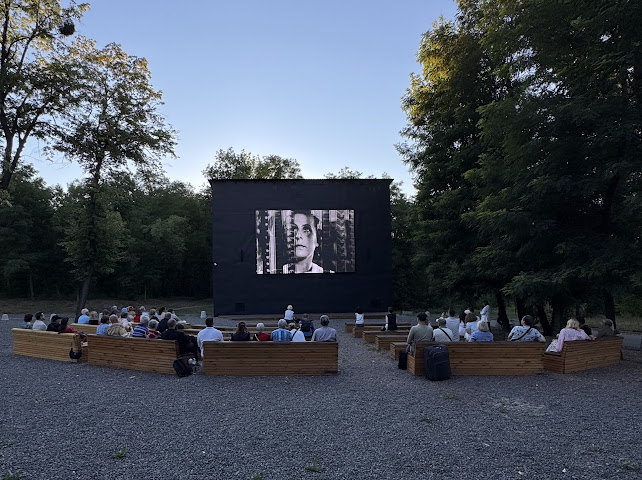
The SPACE OF RESEARCH public program runs through August 30. Visitors are welcome to attend upcoming events in the program and to digitize their family archives at Living Memory.