Paulina Pukytė (Lithuania), 2026
Context
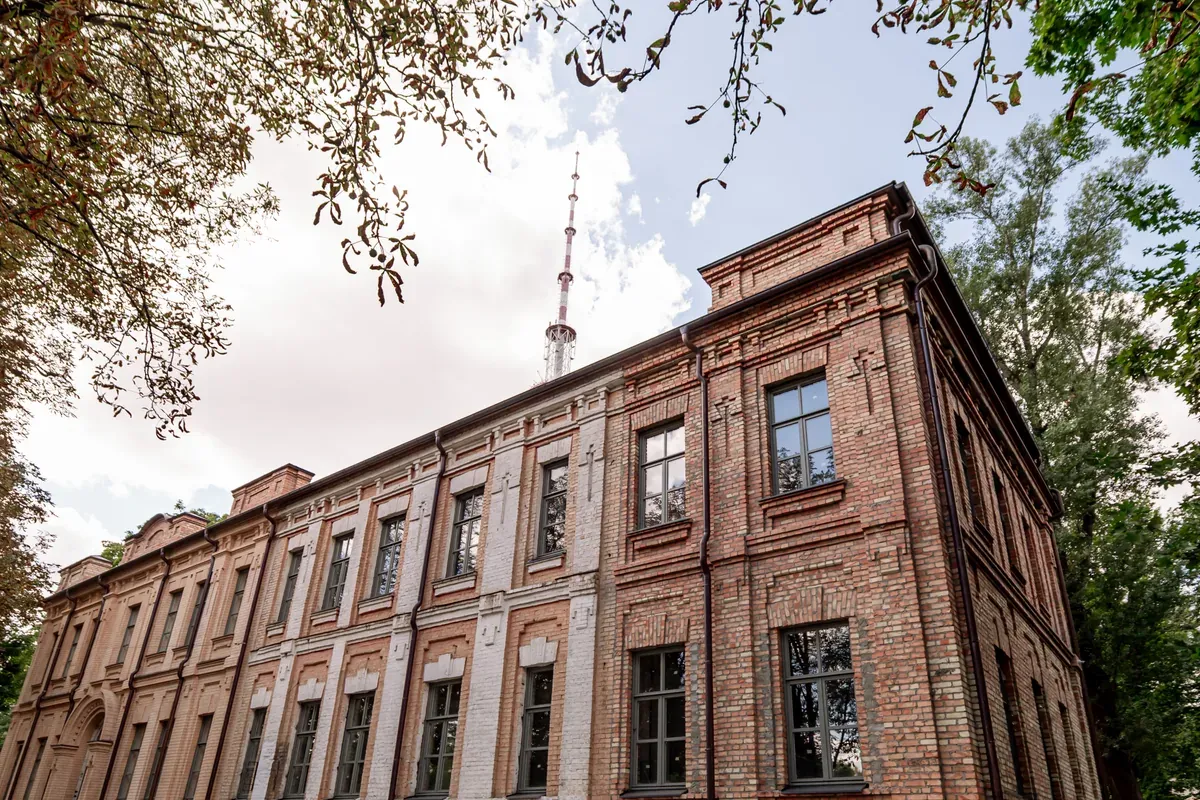
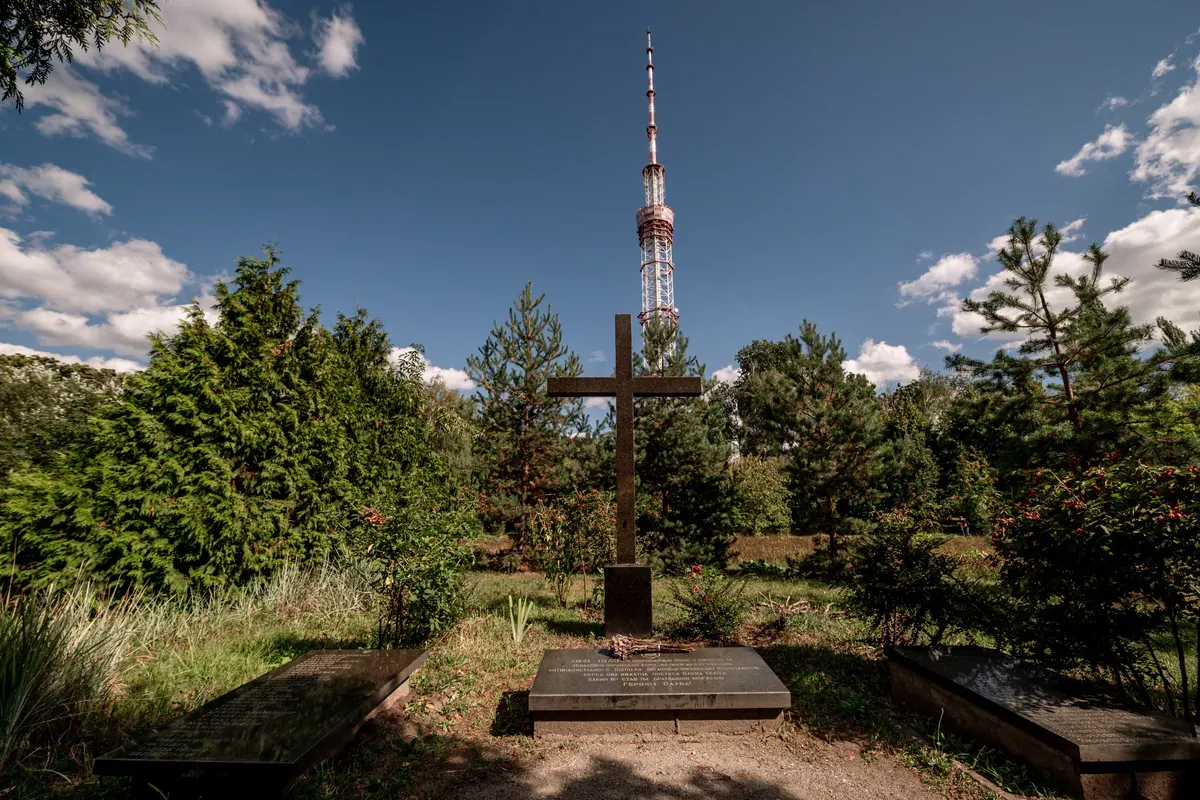
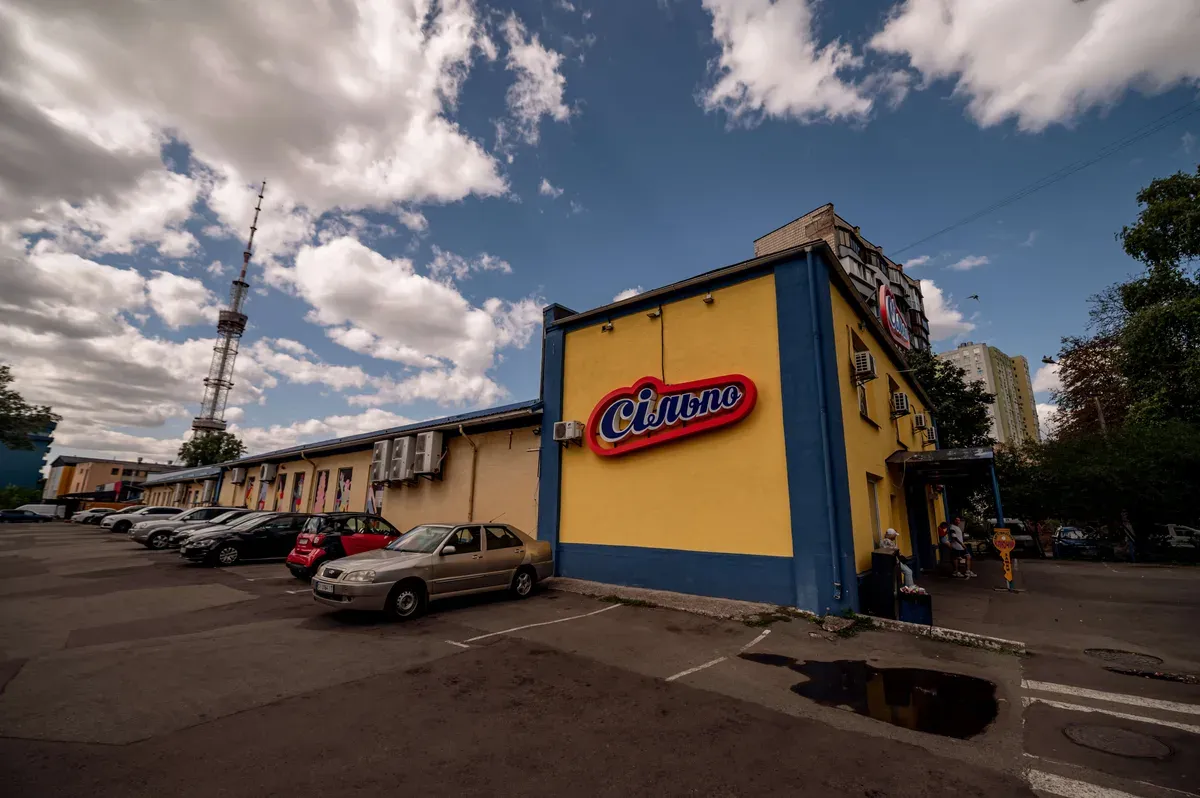
On 1 March 2022, at around 17:10, russian forces fired two missiles at the Kyiv TV Tower. One struck the broadcasting equipment building; none of the staff were harmed. The other killed people who were outside at that moment.
Five people were killed and five others were injured. Among those killed were a television cameraman who had been working near the tower, a woman, and a family — two adults and an 11-year-old child.
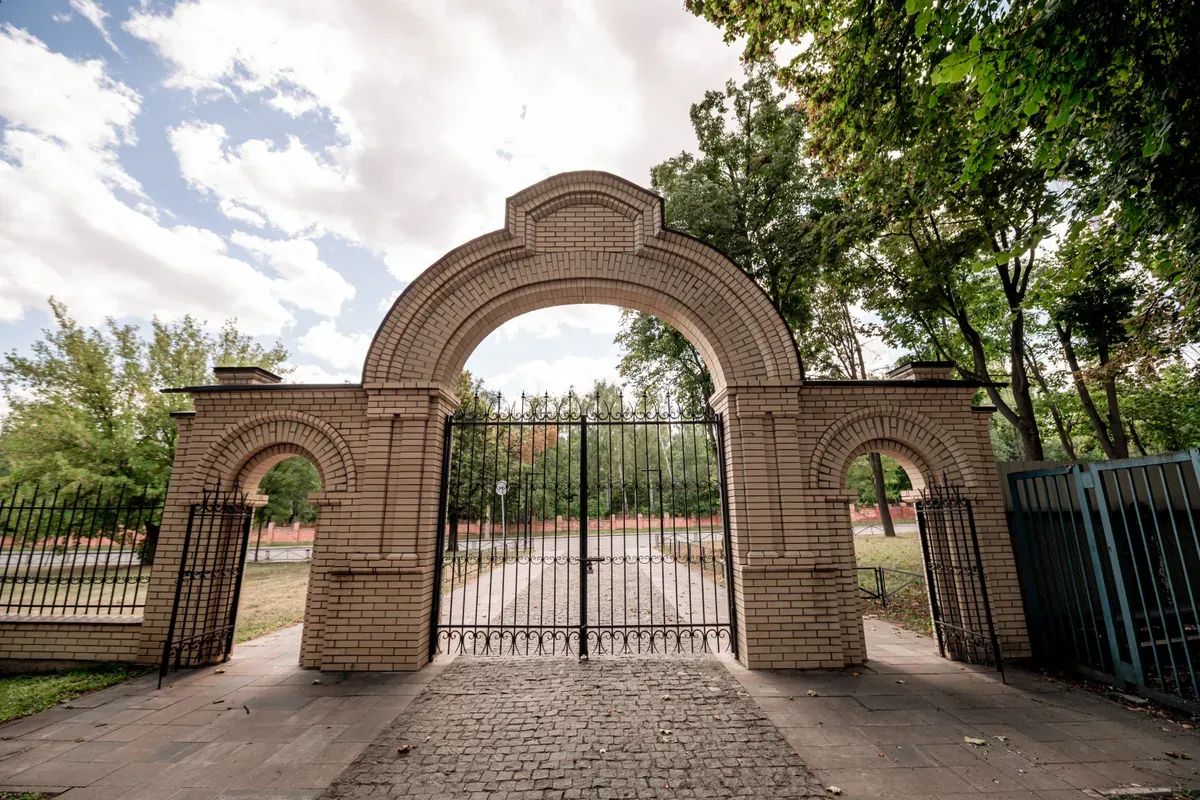
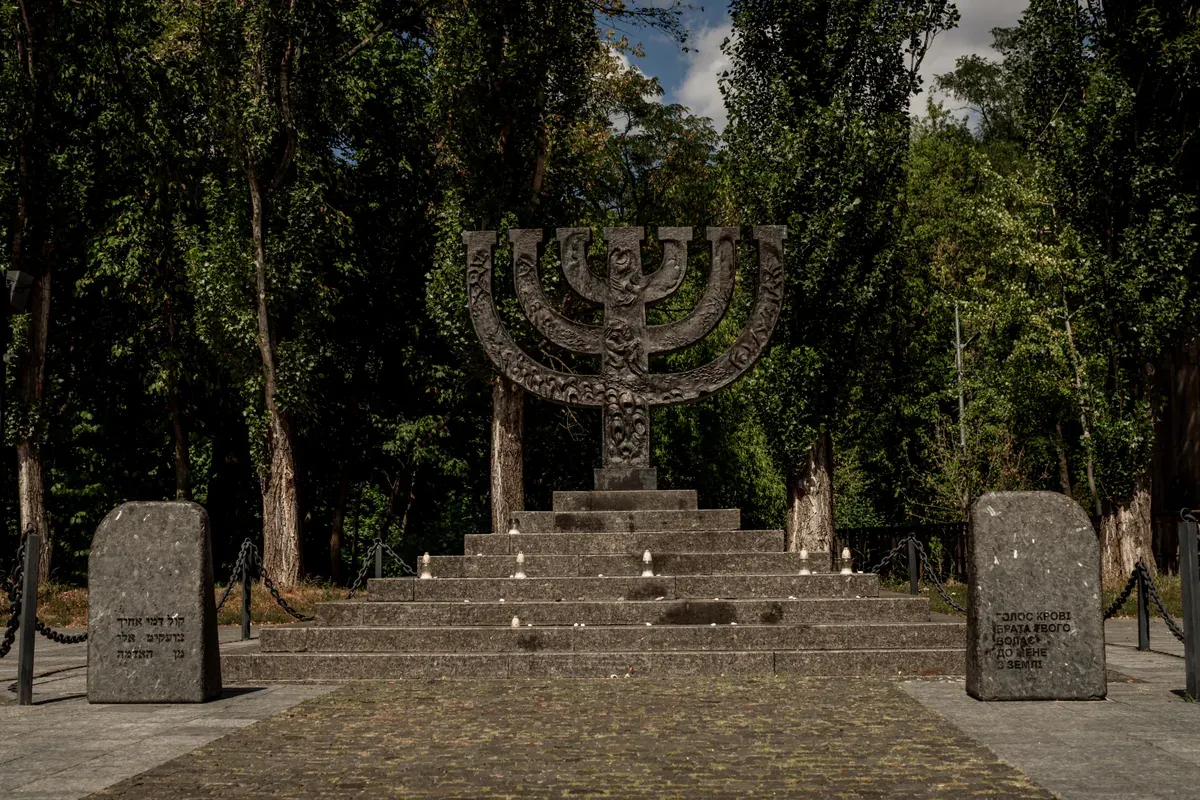
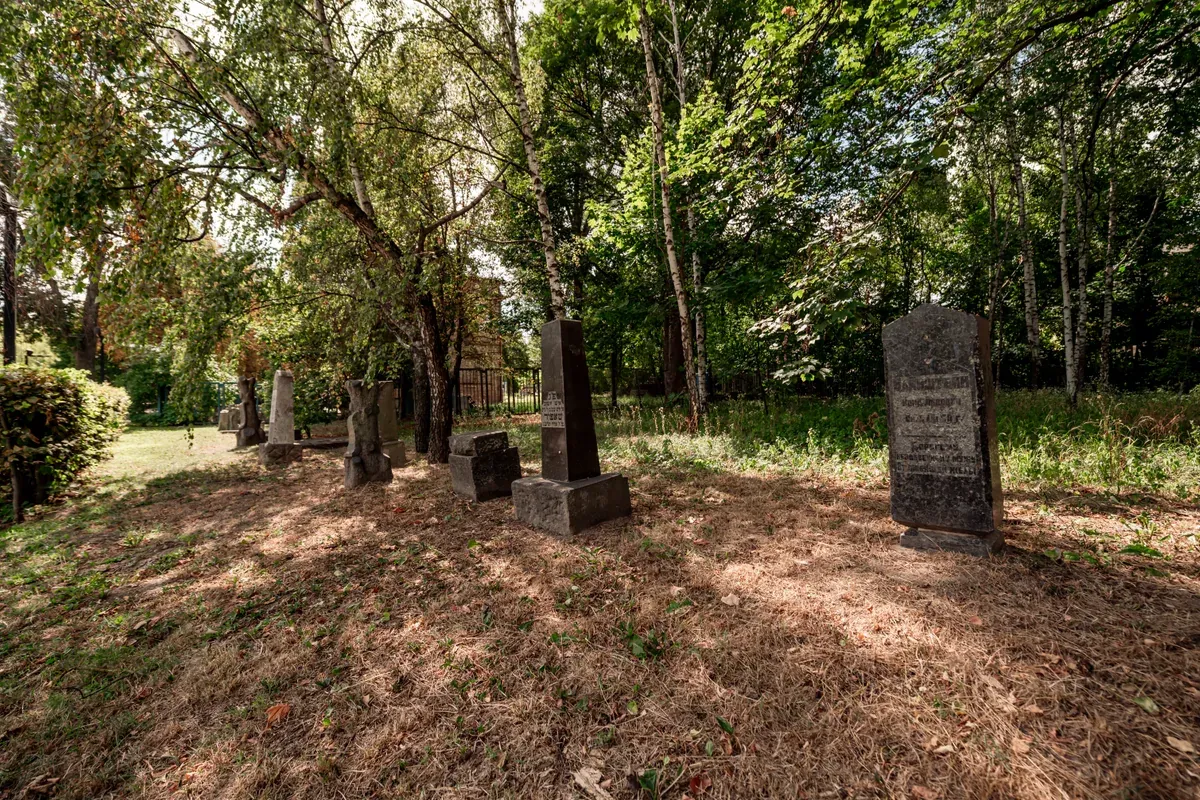
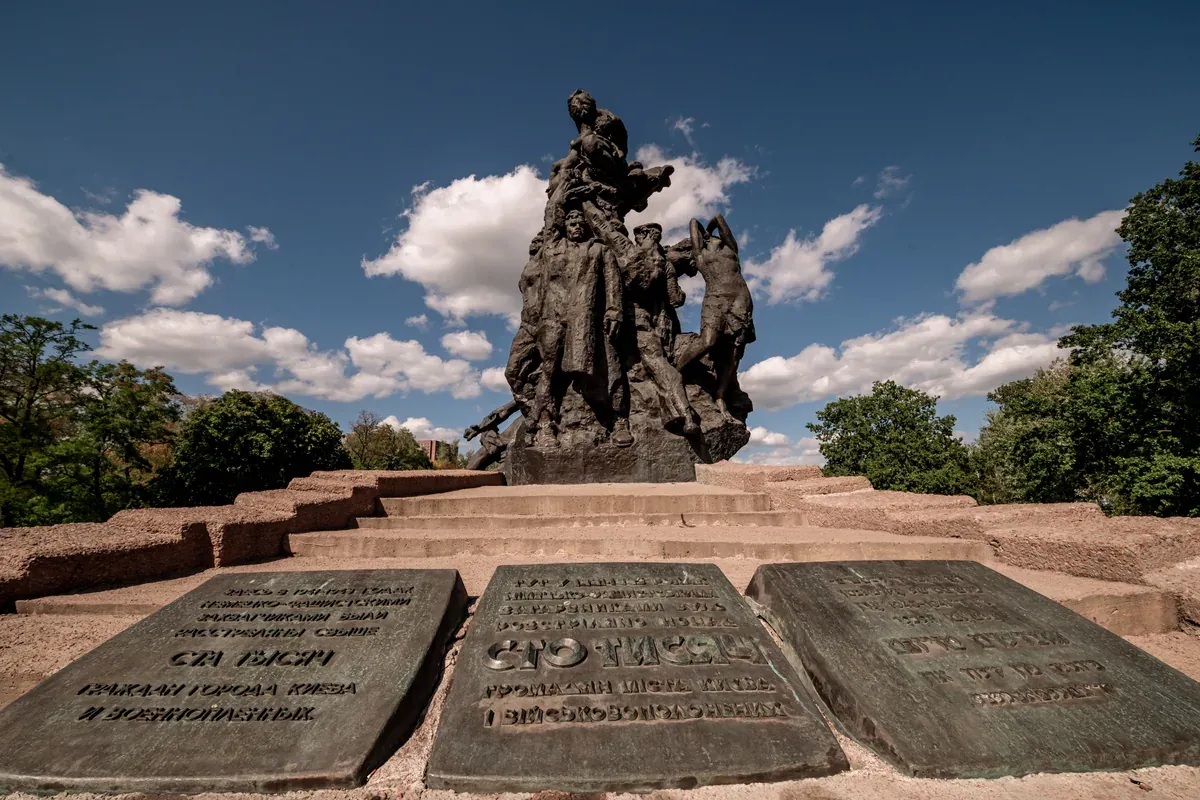
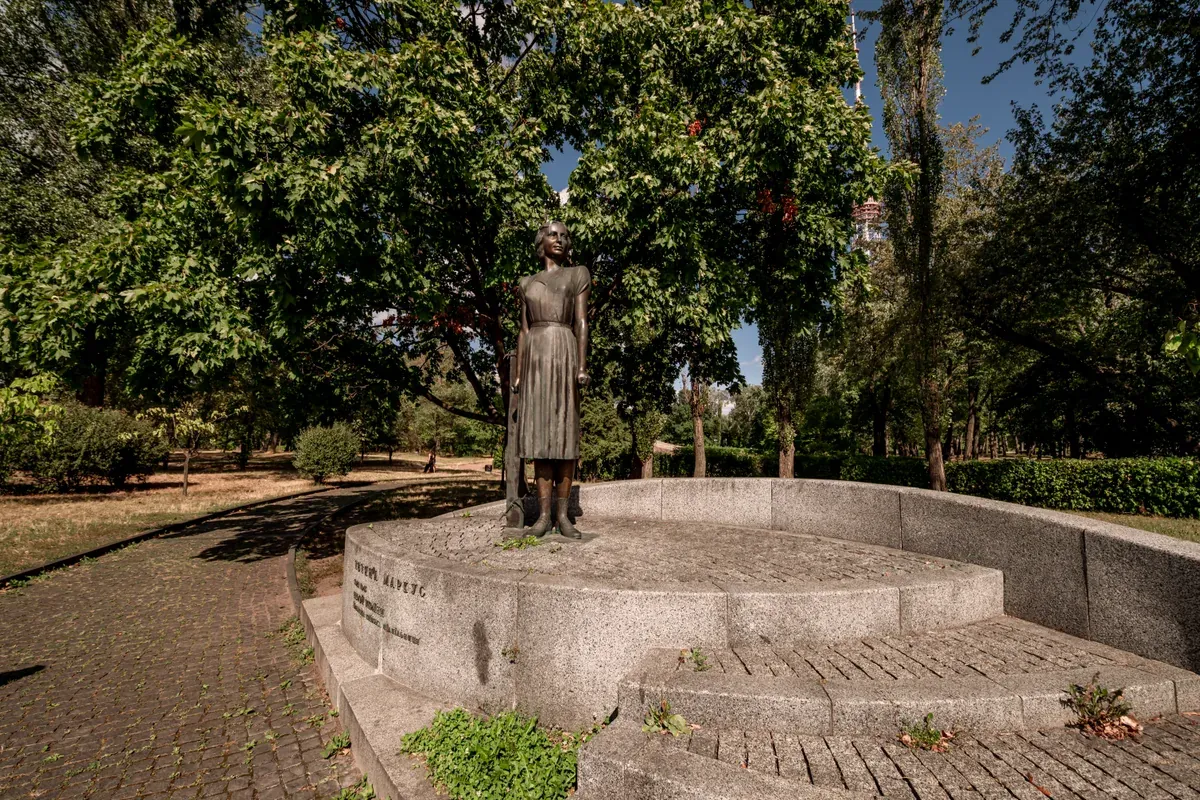
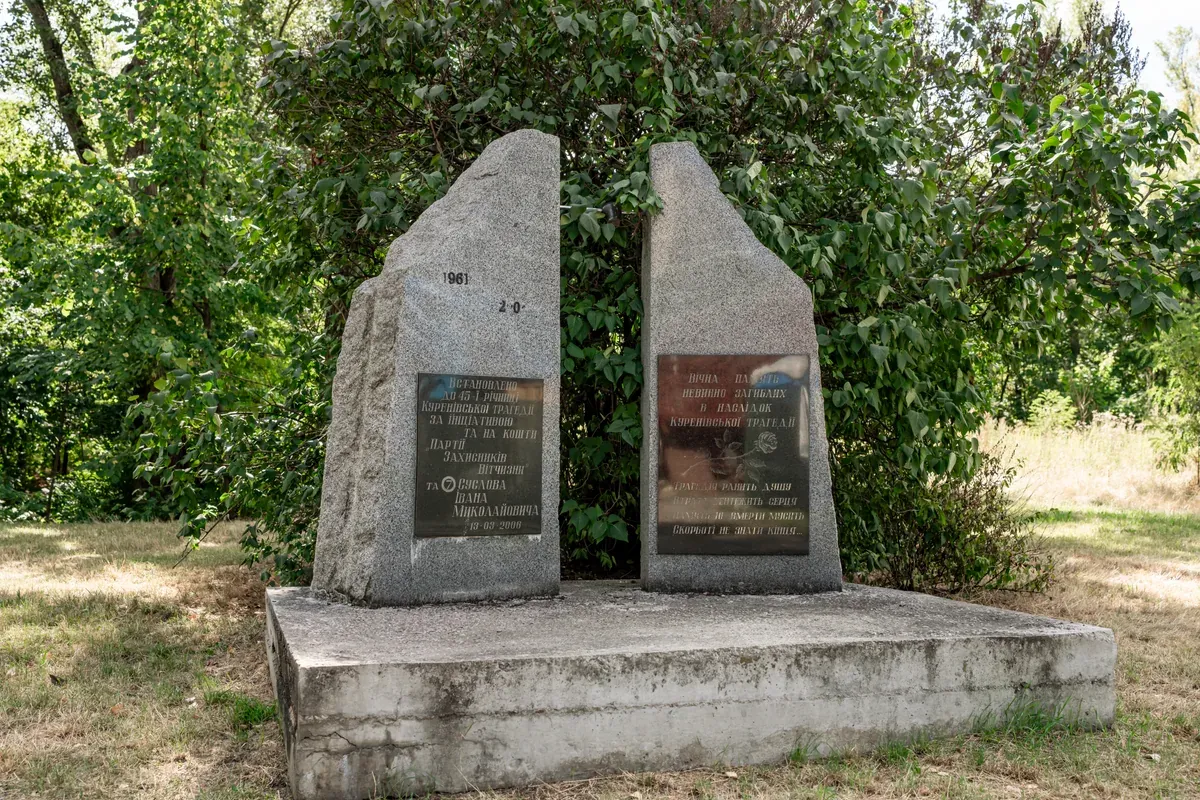
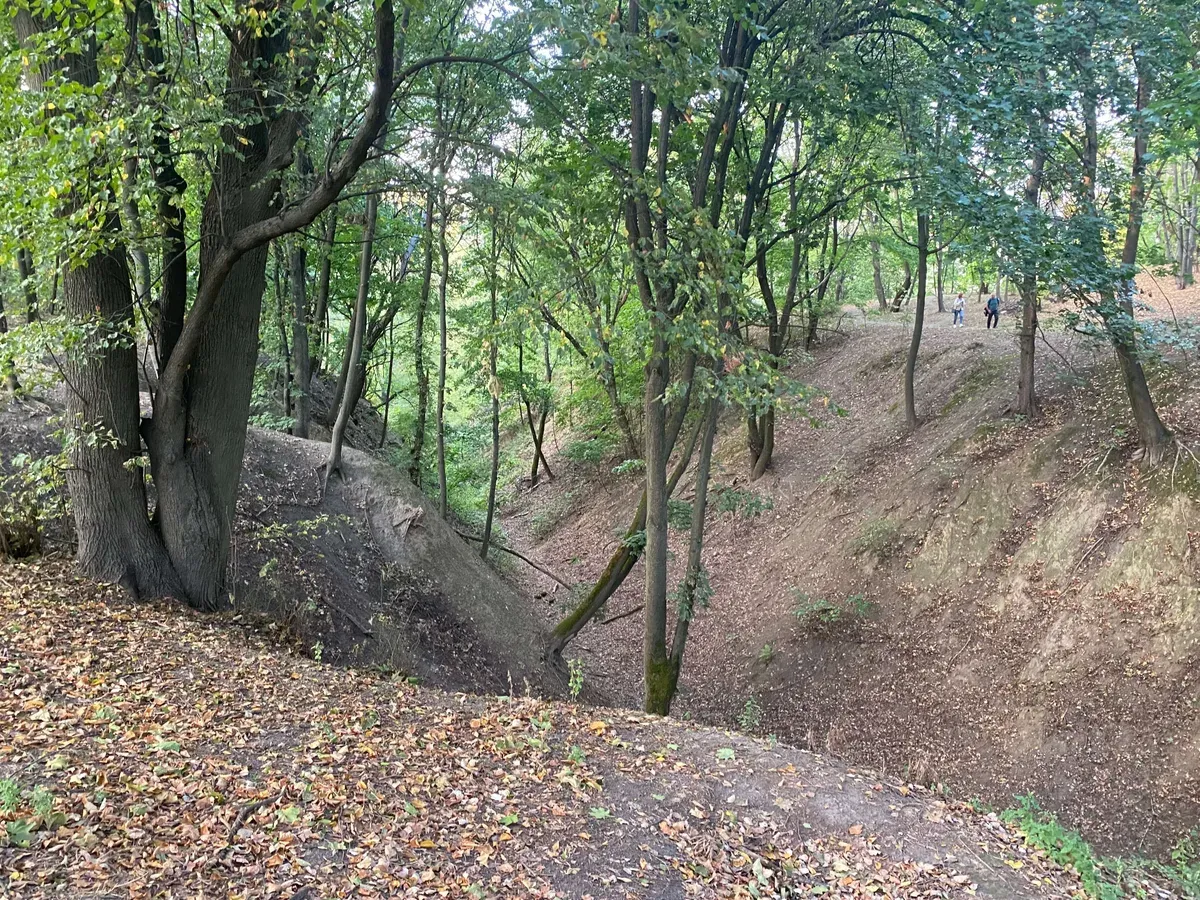
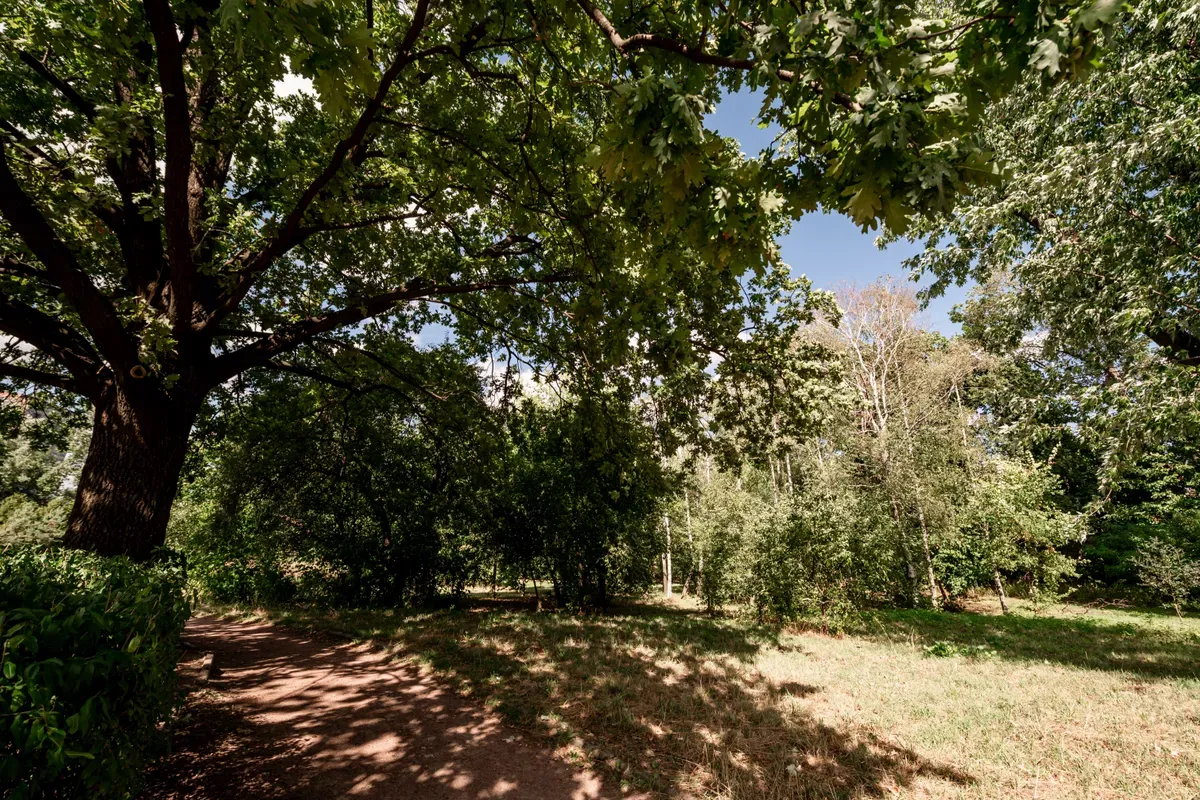
The strike took place on the territory of Babyn Yar, a few hundred metres from the site where, in 1941–1943, the Nazis murdered tens of thousands of people, most of them Kyiv Jews.
About the work
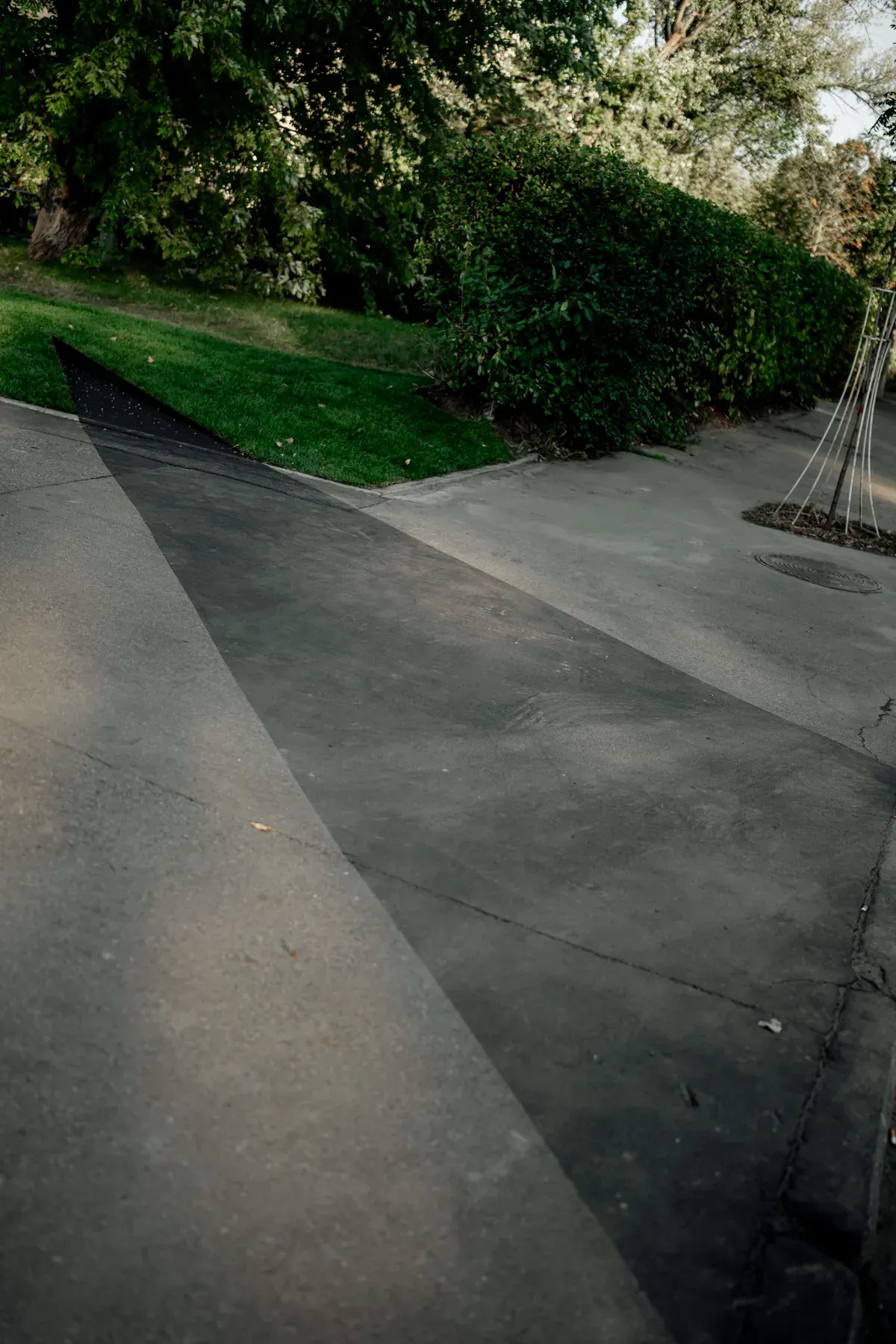
A long black shadow seems to fall from the TV Tower and crosses the pavement. It is neither fenced off nor raised above the ground: to walk ahead, you have to step over it. The work does not ask you to stop, yet it is impossible to pass without noticing.
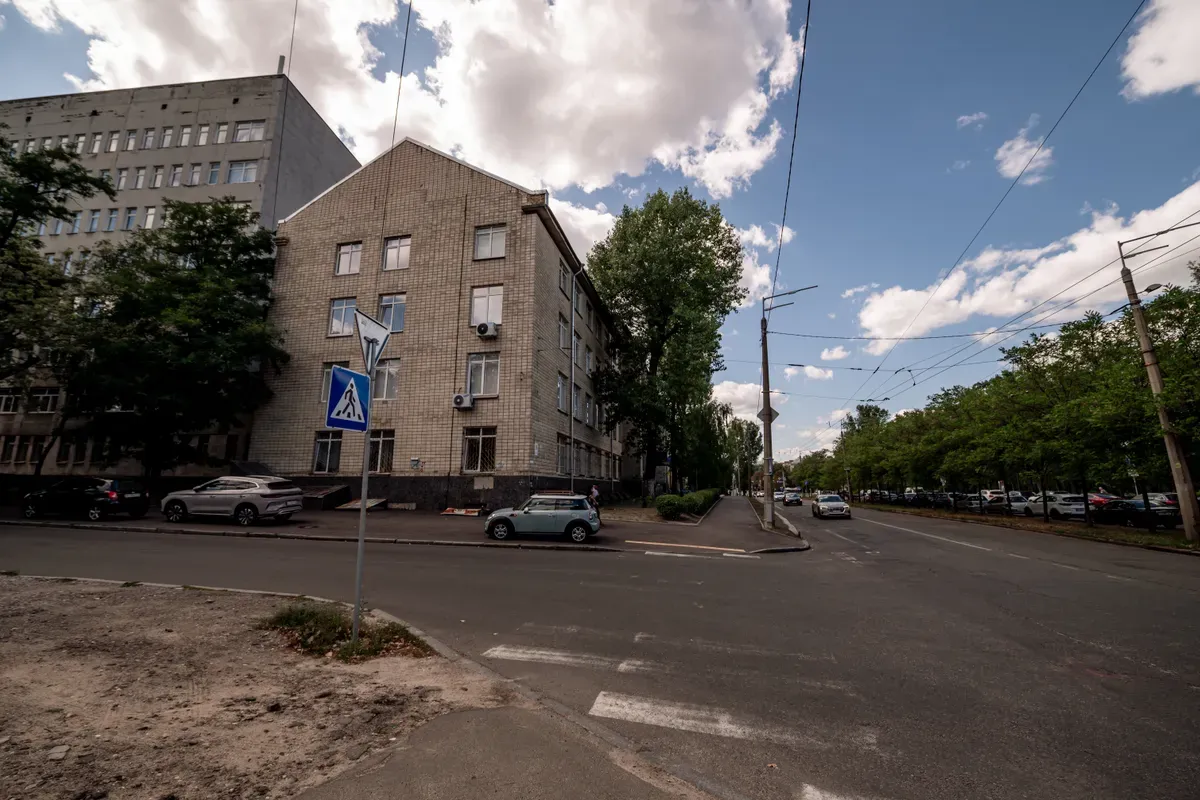
The artwork is integrated into an ordinary city route, one that people take to and from the metro every day. That everydayness is the point: the trace of war is not raised onto a pedestal, but remains where the strike took place.
In the Artist’s Words
We all remember when, right at the start of the full-scale invasion, on 1 March 2022, a missile fired by russia at the Kyiv TV tower struck the Babyn Yar memorial site, killing five people, including an 11-year-old child. Even then it became clear that nothing is sacred to this aggressor.
As a Lithuanian artist, it is a great honour for me to have been invited by a Ukrainian governmental organisation Babyn Yar National Historical Memorial Reserve, to create a public space artwork to commemorate these victims of the new war at the site of the mass killings.
The artwork employs a contemporary approach to monument building and creates a horizontal shape instead of a vertical one. It is an intervention into everyday street surroundings as a poignant marker of tragic events. The Missile Shadow stretches across the pavement, from where the rocket came in, and cuts into the ground where people were killed. It opens an unhealing wound in the earth that bears witness to tens of thousands of lost lives. Wherever you touch this ground, there, beneath it, lie precious human lives, shattered.
The following text was written by Paulina Pukytė.
By resisting brutality with beauty, this artwork commemorates five innocent people whose lives were taken away by a russian missile strike in 2022, here, on the territory of Babyn Yar — the site of mass murder of the Kyiv Jews in 1941–1943. The black ‘missile shadow’ cuts into the ground, as if opening a wound, to remind us how precious every human life is, no matter how long ago it was brutally ended. Precious and sacred is the ground of this territory of memory.
About the artist
Paulina Pukytė (b. 1966, Vilnius) is an artist, writer, curator and critic. She studied at the Vilnius Academy of Arts and the Royal College of Art in London, and teaches at the Vilnius Academy of Arts. She lives and works between Vilnius and London.
Her practice includes interventions in public space, site-specific installations, moving images, and texts. Her strategies are deliberately restrained, almost invisible: she shifts the habitual gaze rather than building a traditional monument.
Memory runs through all of her work. In 2017 she curated the 11th Kaunas Biennial, There and Not There, devoted to the question of the (im)possibility of a monument. The biennial challenged the populist practice of removing and erecting monuments, questioned traditional approaches of commemoration, and explored new, contemporary strategies of remembrance.
The shadow is a recurring motif in Paulina Pukytė’s work. In 2022, for the exhibition Difficult Pasts. Connected Worlds at the National Gallery of Art in Vilnius — the former Museum of the Revolution — she created Shadows, a series of sculptural interventions: material, tangible shadows without a visible source of light, disturbed by people stepping on them. The exhibition addressed the silenced traumas of Eastern Europe.
Missile Shadow continues this line of inquiry, but here, for the first time, the shadow has an exact source, date and place.
http://www.pukyte.com/
About the project
Missile Shadow was created on the 85th anniversary of the Babyn Yar tragedy.