The International Conference on Museum Practices and World War II Representation
Director General of the Babyn Yar Reserve Participates in International Conference on Museum Practices and World War II Representation
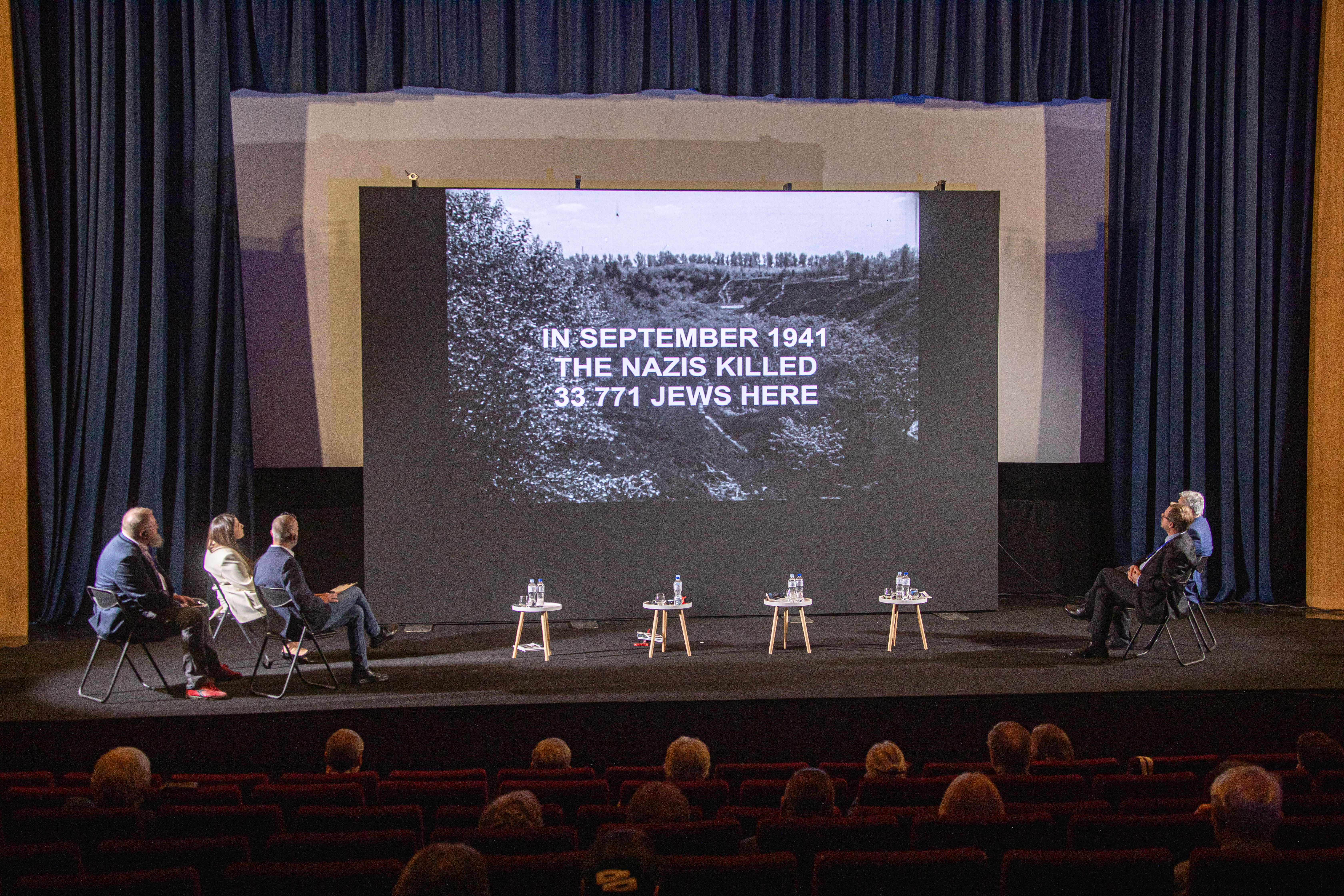
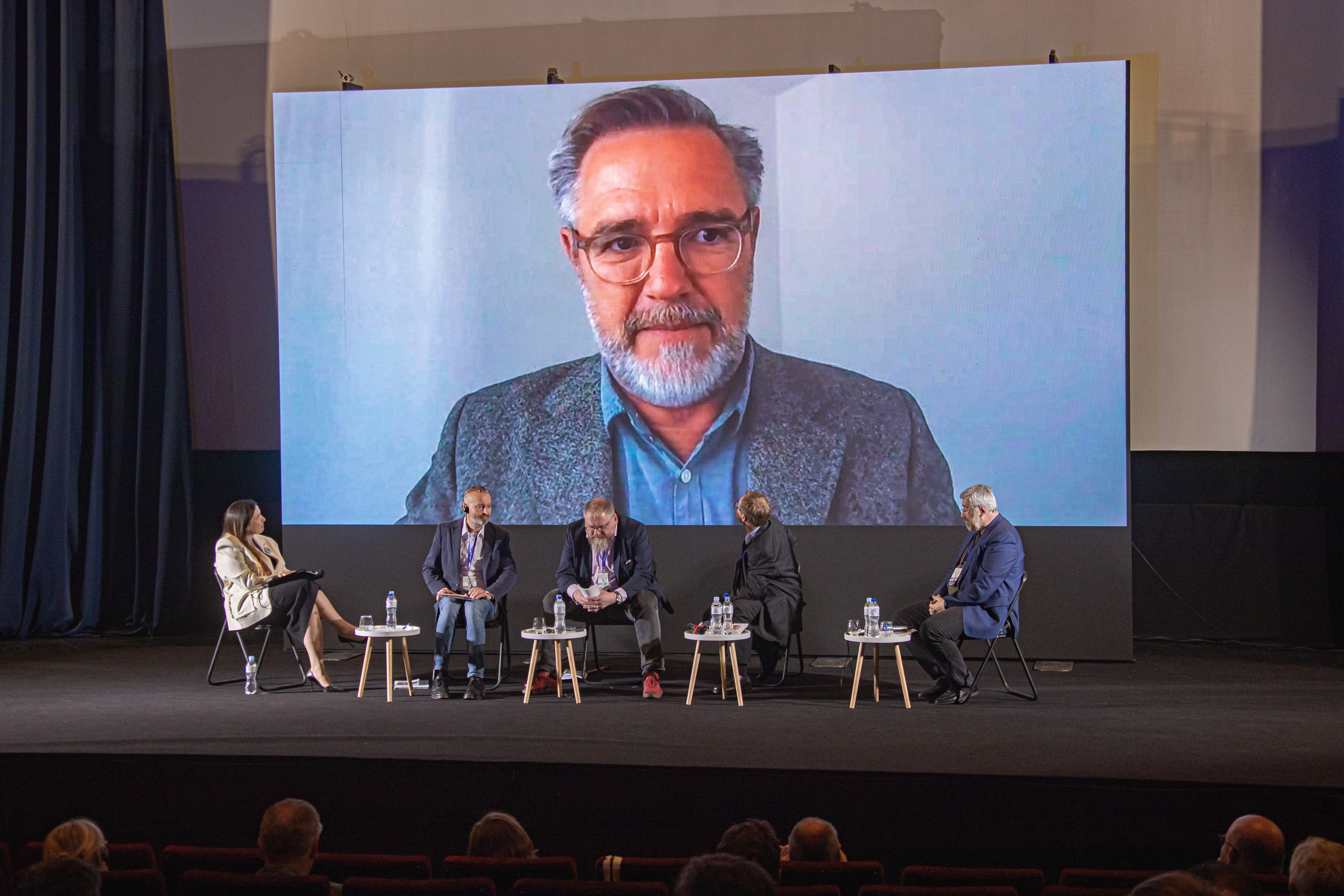
On 27–28 May 2026, the international conference Museum Practices and Transformations in Representing the Second World War took place in Kyiv. The event was organized by the National Museum of the History of Ukraine in the Second World War and brought together museum professionals, researchers, and memory practitioners from across Europe.
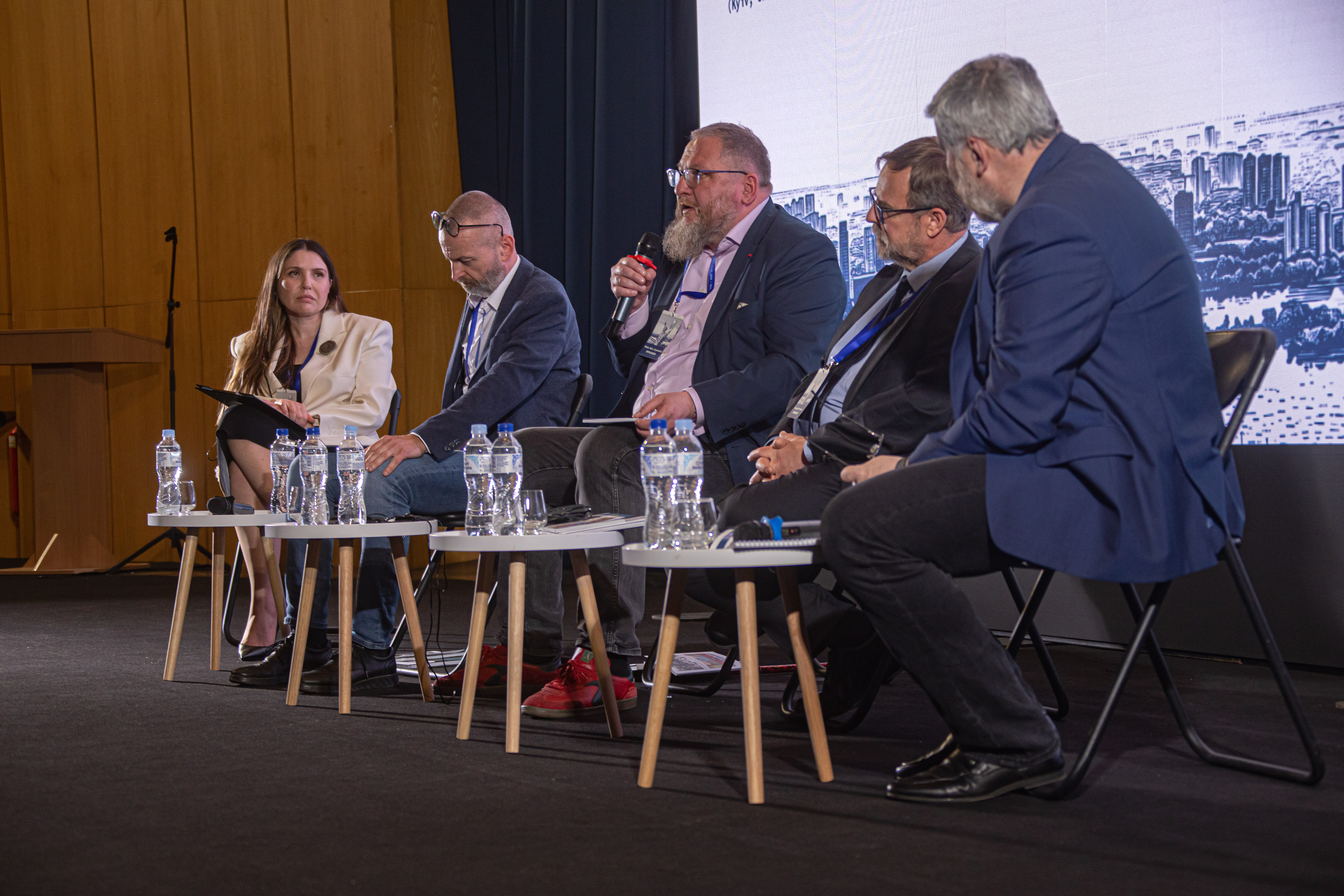
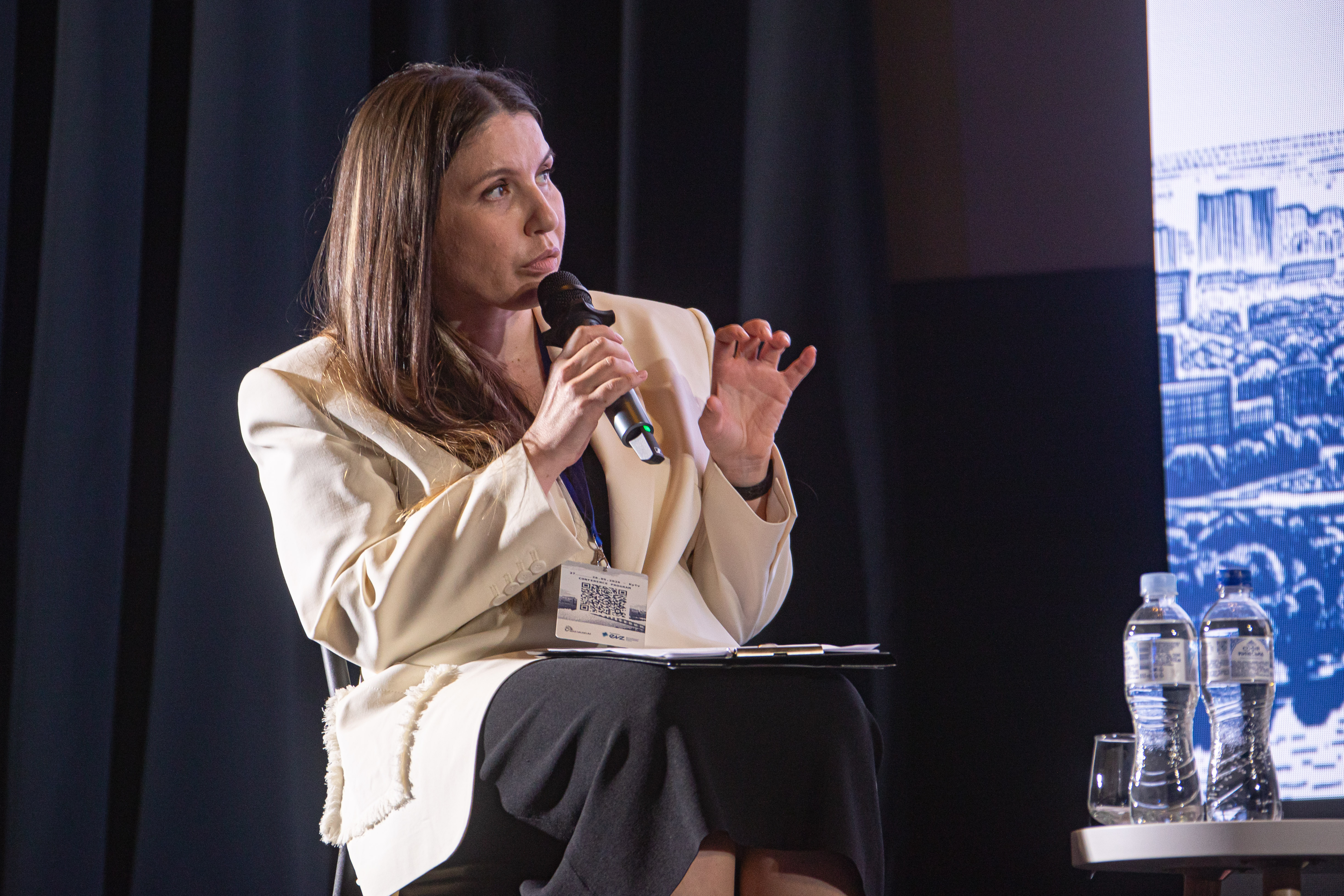
Roza Tapanova, Director General of the National Historical and Memorial Reserve “Babyn Yar”, participated in the panel discussion Preserving Holocaust Memory in the Face of Contemporary Threats and Challenges. During the session, she presented the Reserve’s work in preserving the memory of Babyn Yar and developing contemporary educational and memorial initiatives.
In her remarks, Roza Tapanova highlighted a challenge that has become increasingly relevant for memory institutions in Ukraine: how to speak about the Holocaust and other historical atrocities while living through Russia’s ongoing genocidal war against Ukraine.
“Today, we are not only preserving the memory of past crimes; we are also living through the reality of new ones aimed at destroying Ukrainian statehood and identity. This compels us to rethink the lessons of the Holocaust, the role of memorial sites, and our responsibility to pass historical experience on to future generations,” she noted.
The discussion also featured Piotr Cywiński, Director of the Auschwitz-Birkenau State Museum; Jan Roubínek, Director of the Terezín Memorial; Krzysztof Persak, Senior Research Fellow at the POLIN Museum of the History of Polish Jews; Eike Stegen, Coordinator of Historikerlabor; and other international experts in museum studies and memory culture.
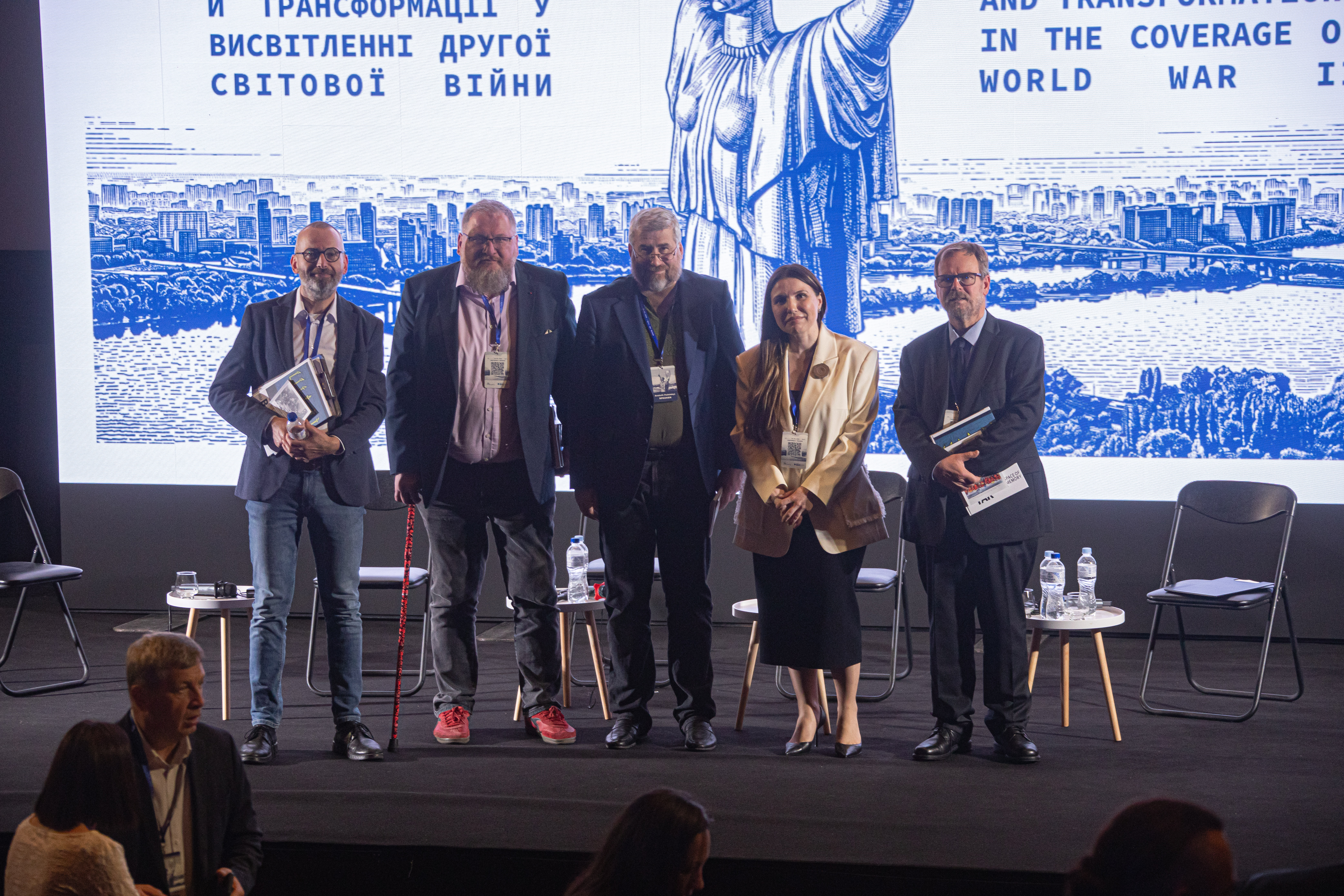
Participants explored contemporary approaches to Holocaust remembrance, the challenges posed by war and disinformation, and the role of museums and memorial institutions in safeguarding historical truth and promoting critical engagement with the past.